

A designer sends a batch of AI-generated concepts to a creative lead for feedback, and the reply comes back within minutes: "these all feel the same." This happens more often than teams admit. The bottleneck in AI-assisted visual work has quietly shifted from generation to review. Producing ten image directions from a brief is fast now. Knowing which one is actually usable, and why, is still slow and mostly manual.
The tension is specific. When a brief goes into an image generator, the output is rarely one clean answer. It is a spread of variations that differ in composition, lighting, subject fidelity, and how closely they respect the reference material. A reviewer has to hold several judgments at once: does this match brand tone, does the subject look structurally correct, is there an artifact that will embarrass the deck in front of a client, and does any version actually solve the creative problem stated in the brief. Skipping that judgment and just picking the prettiest thumbnail is how inconsistent visuals end up in shared decks.
A workable review process treats each generated batch like a set of candidates rather than a finished asset. First, the brief itself needs to be specific enough to judge against. Vague prompts like "modern tech background" produce images that are impossible to reject or approve with confidence, because there is no clear standard to measure them by. A better brief names the composition, the mood, and any hard constraints, such as required negative space for text overlay or a specific color family tied to brand guidelines.
Second, generate more variations than you think you need, not because more is inherently better, but because comparing five or six directions side by side reveals patterns a single image cannot. One version might nail the lighting but misplace the subject. Another might get the framing right but feel generic. Looking at the set together, rather than judging each image in isolation, is what actually surfaces the strongest starting point.
Third, and this is the step most teams skip, do a structured pass before anything goes to a stakeholder. Check for compositional errors that are easy to miss on a quick glance: distorted hands or text, inconsistent perspective, lighting that does not match the stated reference, or repeated visual tics across the whole batch that suggest the model is defaulting to a narrow interpretation of the prompt. Flag anything with a watermark or placeholder artifact that would need replacing before use. This review pass takes a few minutes per batch but saves the much longer cycle of a client catching a flaw in a shared review.
Consider a concrete case: a small marketing team needs six ad mockups for a product launch, each testing a different visual angle for the same message. Instead of hand-illustrating six directions, they draft one detailed brief with reference images and generate a batch of options from it. During review, three are discarded immediately for weak composition, two are close but need cropping adjustments, and one is strong enough to move into the next design pass almost as-is. The team spent their design hours refining the one viable direction instead of producing six from scratch. That is the actual efficiency gain: not zero effort, but effort redirected toward judgment instead of production.
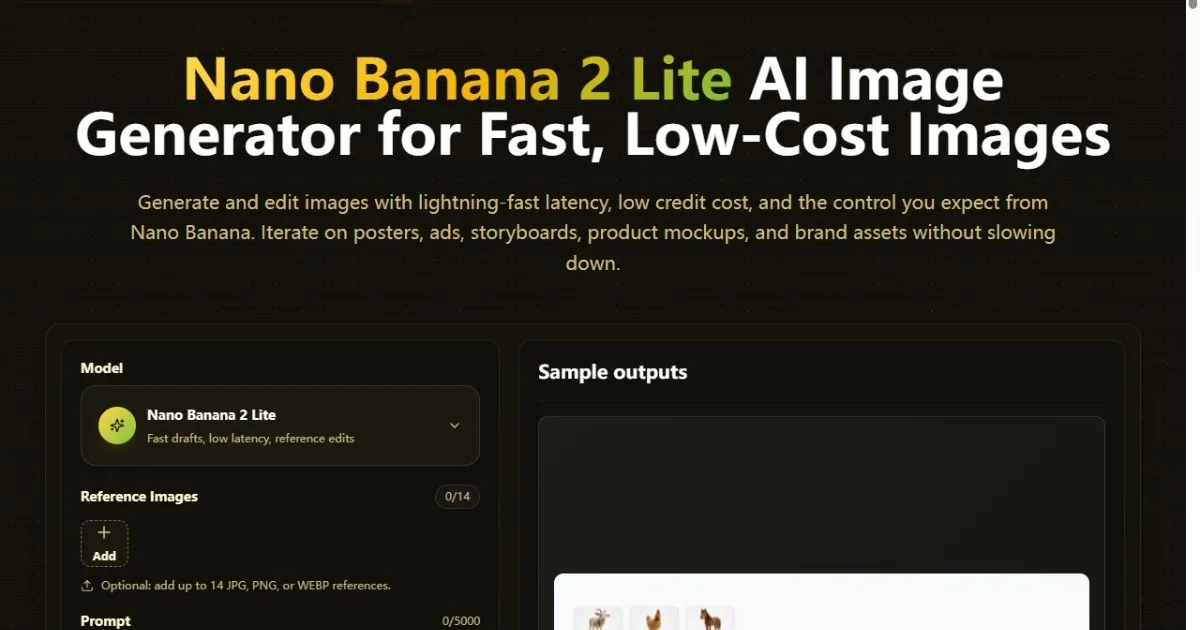
Tools matter here mainly in how much friction they add to that review loop. Some generators require exporting to a separate app before you can compare variations side by side, which slows the review step down. Others let you keep prompts, references, and outputs in one place, which makes the compositional review faster. According to the product page, Nano Banana 2 Lite is built around exactly this brief-to-variation workflow, generating images from prompts and reference material for use cases like ad concepts, mockups, and storyboard frames, with downloads that are described as watermark-free. That framing matters less as a feature checklist and more as a fit question: does it shorten the distance between a brief and a reviewable set of directions.
The honest limitation is that no generator removes the need for a human review pass. Structural errors, brand mismatches, and subtle tone problems still require someone looking carefully at a batch before it goes anywhere near a client. What changes with a decent workflow is where the time goes: less spent producing raw options, more spent deciding which one is actually right. Teams that build that review discipline into their process, rather than trusting the first output that looks acceptable, tend to ship more consistent visual work.
If you're evaluating tools for this kind of brief-to-image workflow, it's worth testing how quickly you can move from a written brief to a batch you'd actually trust enough to review, and the Nano Banana 2 Lite product page outlines how its generation and reference-based approach is intended to fit that step.