

In 2026, businesses are under increasing pressure to deliver faster digital experiences, improve operational efficiency, strengthen cybersecurity, and respond quickly to changing customer expectations. Yet many organizations still depend on legacy applications that were built years or even decades ago.
These applications may still support critical business processes, but maintaining them can become increasingly expensive and complicated. Outdated technologies, limited scalability, security vulnerabilities, and a shortage of skilled developers are encouraging enterprises to rethink how they manage their application ecosystems.
This is why more organizations are turning to Legacy Application Modernization Services to transform aging applications into flexible, secure, and scalable systems without necessarily replacing everything from scratch.
What Is Legacy Application Modernization?
Legacy application modernization involves updating older software applications, architectures, and technologies so they can meet current business and technical requirements.
Modernization can take different forms, including migrating applications to the cloud, restructuring existing code, adopting microservices, improving APIs, updating databases, or rebuilding specific application components.
The goal is not simply to make an application “new.” Instead, modernization focuses on creating a technology environment that is easier to maintain, integrate, scale, and improve.
1. Rising Maintenance and Technical Debt
One of the biggest reasons businesses are investing in modernization is the growing cost of maintaining legacy systems.
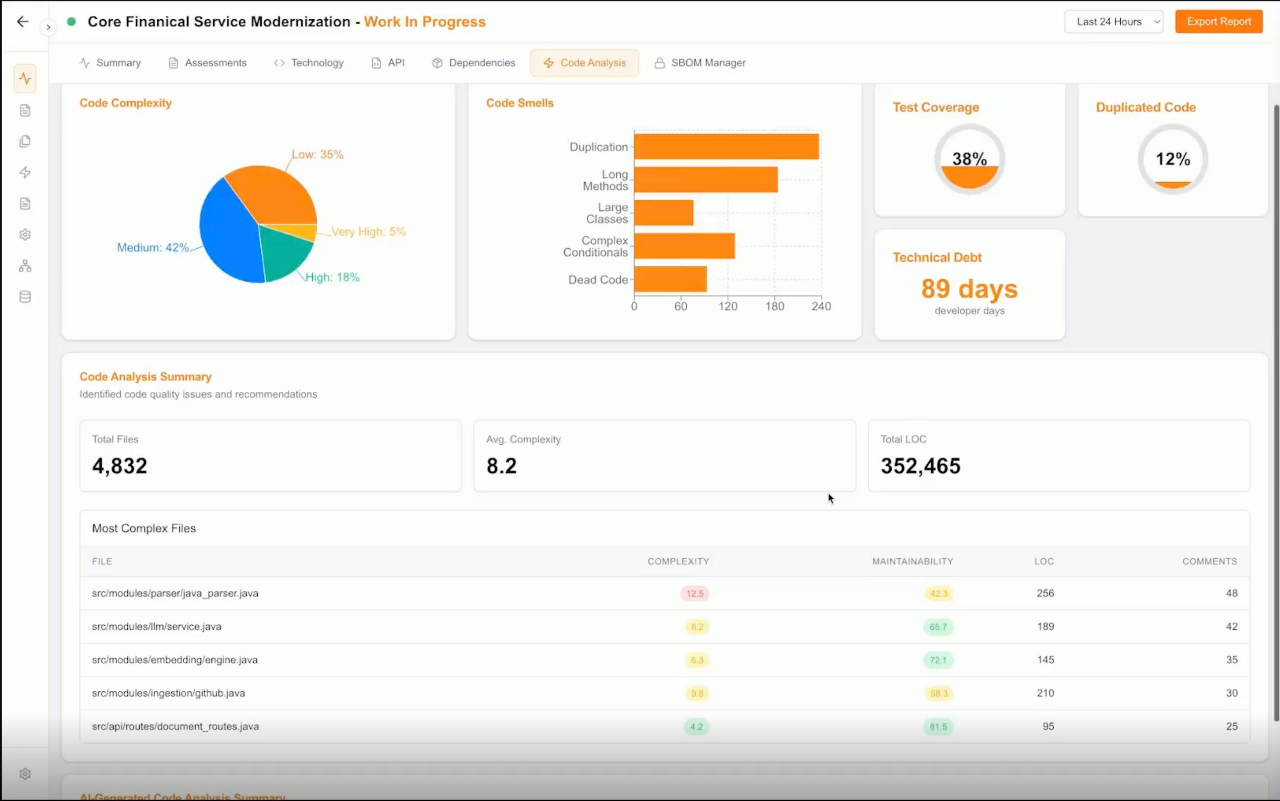
Older applications often require specialized knowledge, manual processes, and extensive maintenance. Over time, technical debt can accumulate, making even small changes difficult and expensive.
Modernizing these applications can simplify architecture, eliminate unnecessary dependencies, and make future development more efficient. Businesses can redirect resources from maintaining outdated systems toward innovation and strategic initiatives.
2. Growing Cybersecurity Risks
Cybersecurity has become a board-level priority. Legacy applications can create additional security challenges when they rely on outdated frameworks, unsupported operating systems, or obsolete libraries.
Older systems may also lack modern security capabilities such as advanced authentication, encryption standards, automated monitoring, and centralized access controls.
Modernization gives organizations an opportunity to address these weaknesses while incorporating security into application architecture. By updating outdated components and adopting modern security practices, businesses can reduce their exposure to potential threats.
3. The Shift Toward Cloud Computing
Cloud adoption continues to influence how businesses build, deploy, and manage applications. However, many legacy applications were never designed to operate efficiently in cloud environments.
Modernization can help organizations prepare these applications for cloud migration through approaches such as rehosting, replatforming, refactoring, or rebuilding.
Cloud-ready applications can provide greater flexibility and scalability while making it easier to support distributed teams, integrate new services, and respond to changing workloads.
For businesses looking to optimize their technology infrastructure, modernizing legacy applications can be an important step toward a broader cloud strategy.
4. Demand for Faster Digital Innovation
Customer expectations are changing rapidly. People expect digital services to be fast, reliable, personalized, and available across multiple channels.
Legacy systems can make it difficult to introduce new features quickly because they may have tightly coupled architectures or limited integration capabilities.
Modern architectures, APIs, microservices, and automation can make applications more adaptable. Development teams can modify or deploy individual components without making extensive changes throughout the entire system.
This agility enables organizations to experiment, launch new capabilities, and respond to market opportunities faster.
5. Easier Integration With Modern Technologies
Businesses increasingly depend on technologies such as artificial intelligence, machine learning, automation, analytics, IoT, and modern SaaS platforms.
Integrating these technologies with older applications can be challenging when legacy systems lack modern APIs or standardized interfaces.
Application modernization can create a more flexible integration layer, allowing legacy business data and processes to connect with modern platforms.
For example, an organization may modernize an existing application so it can securely exchange data with an AI-powered analytics platform or a modern customer-facing application.
6. Improving Developer Productivity
Finding professionals who understand older programming languages and outdated platforms can be difficult. As experienced developers retire or move to newer technologies, businesses may face significant knowledge gaps.
Modernization can reduce dependence on scarce legacy technology skills by moving applications toward widely adopted development frameworks and architectures.
A modernized codebase can also improve developer productivity by making applications easier to understand, test, deploy, and maintain.
7. Preparing for AI-Driven Business Operations
AI is becoming an increasingly important part of enterprise technology strategies in 2026. However, AI initiatives depend on accessible, reliable, and well-integrated data.
Legacy applications can make it difficult to extract and use business data efficiently.
Modernization can help organizations create the APIs, data pipelines, cloud infrastructure, and scalable architectures needed to support AI initiatives.
Instead of treating modernization and AI adoption as separate projects, businesses can use application modernization as a foundation for future AI capabilities.
How Businesses Can Modernize Successfully
Modernization does not always mean completely replacing an existing application. Businesses should first evaluate the application's business value, technical condition, dependencies, security requirements, and future needs.
Depending on the situation, organizations may choose to rehost, replatform, refactor, rearchitect, rebuild, or replace specific applications.
A phased approach is often practical because it allows companies to modernize high-priority components while keeping critical business operations running.
Conclusion
In 2026, legacy application modernization is becoming less about replacing old technology and more about creating a foundation for sustainable digital growth.
Businesses are investing in modernization to reduce technical debt, strengthen security, embrace cloud technologies, improve developer productivity, accelerate innovation, and prepare their applications for emerging technologies such as AI.
Organizations that strategically modernize their legacy environments can turn aging applications from a technology constraint into a platform for future growth. The key is to choose the right modernization approach, prioritize business-critical systems, and create a roadmap that balances innovation with operational continuity.