

Most content teams have a script long before they have a voice. The problem is what happens in between. A marketing lead approves copy for a product demo, a course creator finishes a lesson script, or a podcast producer locks a segment outline — and then everything stalls while someone books a voice actor, schedules studio time, or waits on a freelancer's turnaround. If the pacing is off, or a line reads awkwardly out loud, that feedback usually arrives after money and time have already been spent.
This gap exists because reading a script silently and hearing it spoken are not the same review. A sentence that looks fine on a page can run too long, land at the wrong emphasis, or feel flat once voiced. Teams that skip a spoken draft step are effectively approving audio content based on text alone, then discovering the real issues during a recording session that's harder and more expensive to redo.
The fix isn't more meetings or stricter script templates. It's inserting a lightweight, disposable draft-narration pass between script approval and final production — something fast enough that nobody treats it as precious, but audible enough to catch real problems.
**Building the draft-review loop into a normal production timeline**
A workable version of this loop looks like three short stages. First, the script gets converted into spoken audio, quickly, without worrying about final voice quality. Second, whoever owns the project listens to the draft the way an end viewer or listener would — not proofreading text, but reacting to pacing, tone, and clarity. Third, the script gets adjusted based on what didn't work when spoken, and only then does the team move toward final recording, whether that's a hired voice actor, an in-house presenter, or a produced voice track.
The part teams usually skip is the middle one — actually listening before locking anything in. It's tempting to assume a script is fine because it reads well, but spoken language and written language behave differently. Long qualifying clauses that are easy to read become confusing when heard once and not re-read. Technical terms that look fine in a course outline can trip up pacing when spoken aloud for the first time.
**A walkthrough: taking a demo script from text to reviewable draft**
Say a product team has a 90-second script for a feature walkthrough video, written for a general audience and approved by three stakeholders based on the text alone. Before booking a voiceover artist, the producer runs the script through a text-to-speech tool to generate a rough spoken version — not for final use, just to hear it.
Listening back, two things surface immediately. A sentence introducing a technical setting runs long and buries the actual instruction at the end, which works fine when read but forces the listener to hold too much in their head when heard once. Separately, a transition line meant to sound casual comes across as flat when spoken evenly, revealing that the line depended on vocal inflection the script never accounted for.
Both issues get fixed in the script itself — shortening the technical sentence and rewriting the transition to work even in a neutral reading — before any studio time is booked. That's the value of the draft: it's not the final audio, it's a cheap way to expose problems that text review can't catch.
**What this review step won't tell you**
A spoken draft is useful for pacing, sentence structure, and clarity — not for judging final vocal performance, emotional delivery, or brand voice fit. Those decisions still belong with an actual voice actor, a chosen narrator, or a produced voice track designed for the final piece. Treating a draft narration as a stand-in for the finished product, rather than a review tool, is where teams get the workflow wrong. The draft's job is to surface script-level problems early, not to replace the judgment involved in final voice selection.
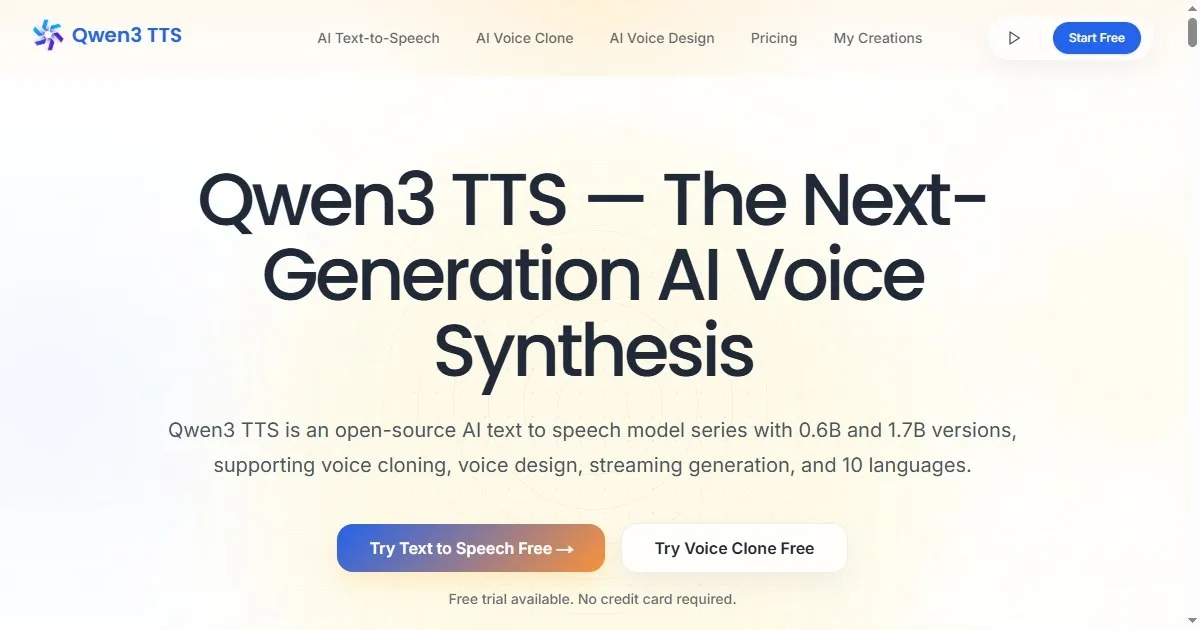
For teams building this draft-review step into their process, tools designed for quick text-to-speech conversion, voice testing, or draft narration are worth evaluating directly rather than assuming any one option covers every case. According to the product page, Qwen3 TTS is positioned for tasks like turning scripts into spoken audio drafts, testing voice styles, and producing rough narration for review before a final recording — the kind of use case described above rather than a finished production step. Worth checking against your own script-review workflow before deciding whether a draft-audio stage belongs in your process.